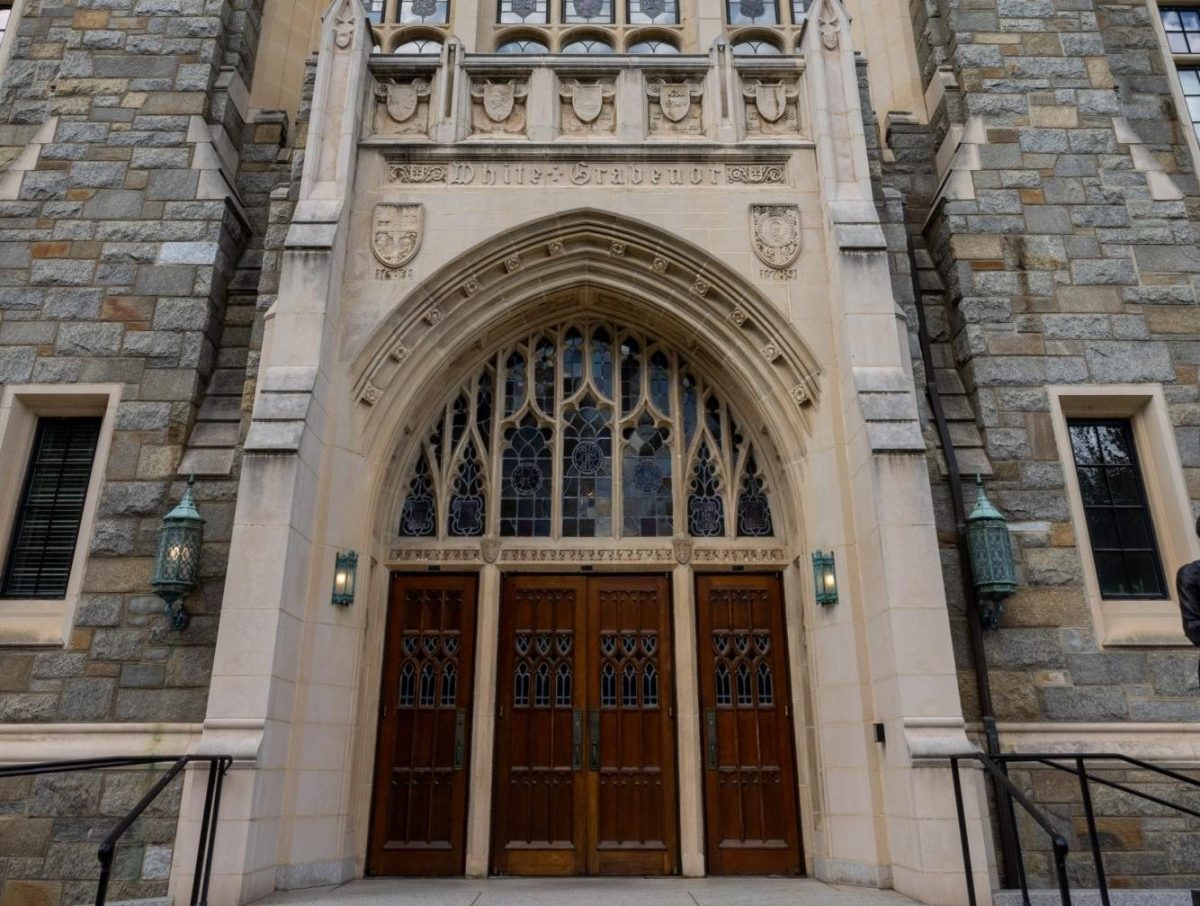

An institute at MedStar Georgetown University Hospital became the first transplant program in the Washington, D.C. region to surpass 10,000 organ transplants, the hospital announced March 3.
The MedStar Georgetown Transplant Initiative announced that its surgeons have completed more than 10,000 organ transplants, which officials said marks a significant milestone and opens doors to more intensive research and technology advancements. MedStar completed its first organ transplant in 1987 and the institute, which opened in 1988, is considered one of the highest volume organ transplant programs in the United States.

Rohit Satoskar, the director of medical services at the Transplant Institute, said this accomplishment marks a major step in the hospital’s growth.
“The achievement is remarkable in itself, but it’s a milestone,” Satoskar told The Hoya. “We want to continue to provide improved patient access and world-class care.”
By reaching 10,000 organ transplants, MedStar can now call itself the leading transplant institute in the D.C. region and exhibit the rapid growth that the hospital has been able to achieve.
Dimitrios Moris, a senior transplant fellow at MedStar, said the volume of transplants and successful procedures affirms his work.
“It’s very rewarding to see patients who come in, and they are in a very critical state of health, and after 10 days or 15 days, their lives have totally changed, and they are able to go back and have a second chance in life,” Moris told The Hoya. “So I think the higher the volume, the more commitment will be to include more people, to be more inclusive of all the levels of a training hierarchy, from new faculty, new fellows, med students, residents, everybody to be part of the team.”
Kidney transplants made up a majority of MedStar’s transplant surgeries, numbering in the six thousands to date and outpacing all other D.C.-area programs combined.
Reginald Gohh, the medical director of the pancreatic transplant division, said that while the volume is cause for celebration, the main goal of the hospital is to provide the best possible care for patients.
“What we’re trying to do is not just volume, but we’re trying to do good quality work, and that includes being on the cutting edge of different technologies, so that means also you want to be on the forefront of doing research,” Gohh told The Hoya.
“Because of the sheer number of patients that we do, you can get a study done in a much shorter period of time than if you’re doing 50, 60 kidneys a year,” Gohh added.
Gohh said MedStar’s high-achieving status in the transplant industry increases student exposure to transplant surgeries and operations.
“In terms of medical students, they have a chance to see and observe different types of transplants and get involved in the care of these patients,” Gohh said. “So the exposure that they get, particularly if they’re interested in transplantation, is not surpassed in many other programs in the country.”
Gohh said MedStar’s rapid increase in transplants displays its ambitious upward trajectory.
“We started by doing, if you look historically, we did about 200 kidney transplants per year, but now we’re up to close to 400 kidney transplants per year, and that has to do with the aggressiveness of our approach at the same time trying to really do a good job taking care of our patients,” Gohh said.
Tara Ossiani (SOH ’27), vice president of the Georgetown University Pre-Medical Society, said MedStar’s presence and growing success allow students to learn more about the medical field through educational and hands-on opportunities.
“Having access to such a prominent transplant program nearby can offer students amazing learning opportunities through shadowing and learning more about the physical procedure itself, to gaining insight into patients’ experience from the initial evaluation, to waiting on the transplant list, to managing life post-surgery with immunosuppressants,” Ossiani wrote to The Hoya.
Moris said he looks forward to the transplant center’s continued growth.
“We are number one center in kidney pancreas transplants, number one center in intestinal transplants and very high volume liver transplant center,” Moris said.
“It’s exciting to hit that number, but I suspect that we will need less time for the next 10,000,” Moris added.