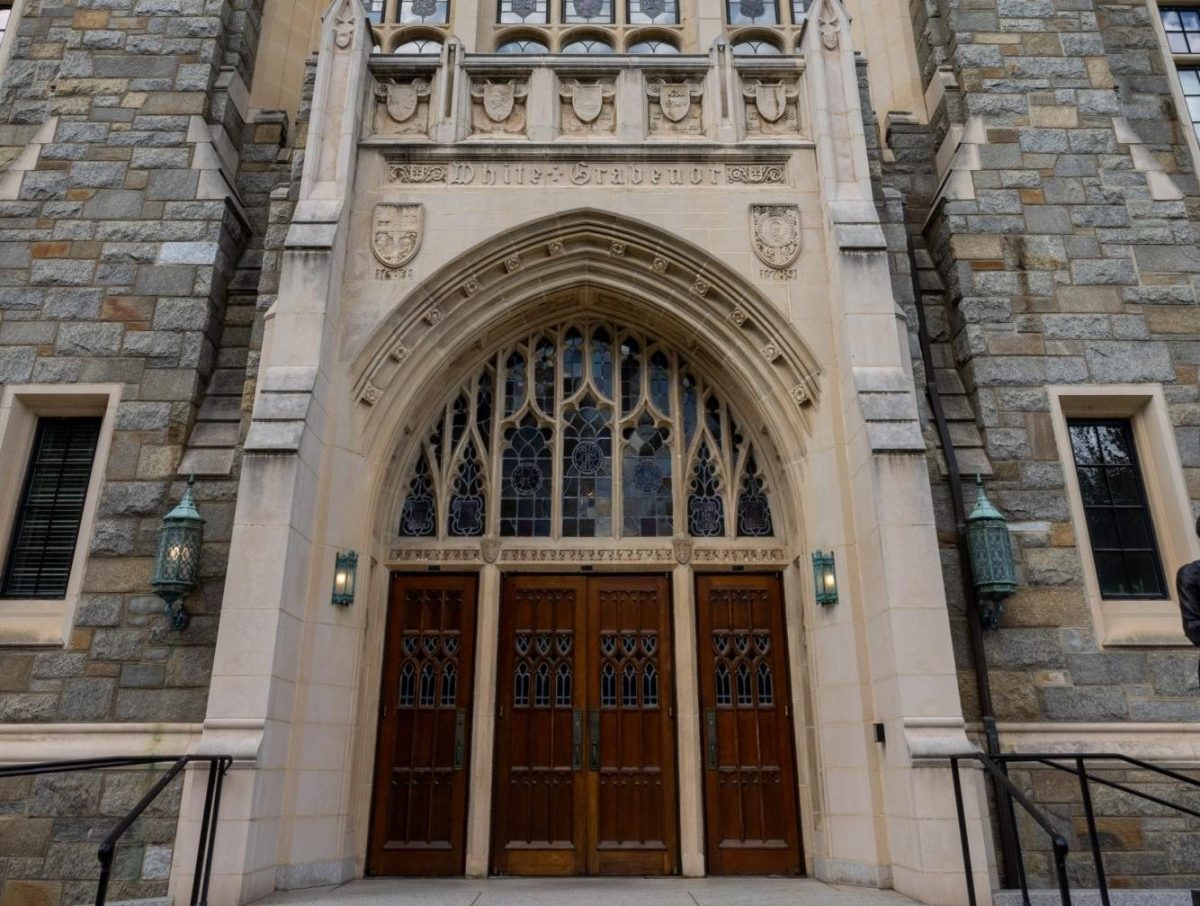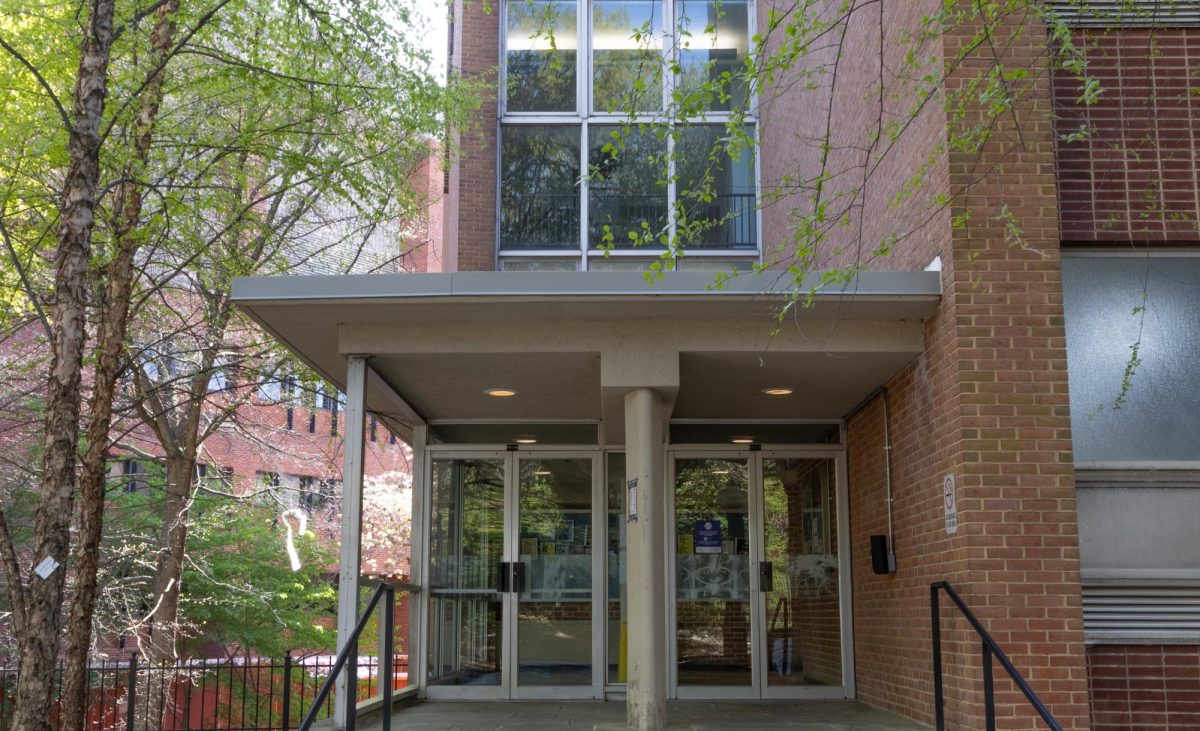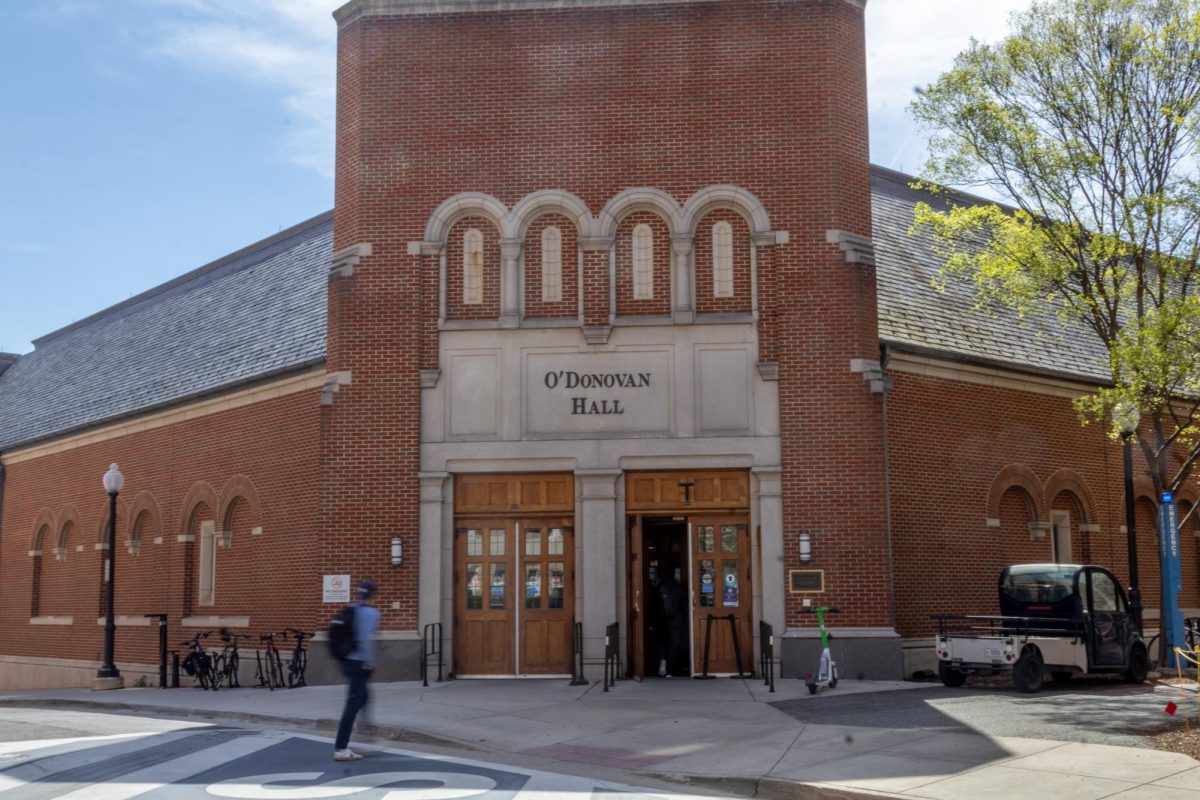


Georgetown University resident assistants (RAs) criticized recent housing policy changes that prevented them from choosing their suitemates during the second phase of housing selection, which began April 14.
The Office of Residential Living (Res Living), which oversees RAs, announced in November a new roommate policy that permits RAs living in suite-style apartments to choose only their direct roommate. The policy change meant some RAs were unable to pull their preferred suitemates into apartment-style dorms because other students had already selected the room.
Naomi Banner (SFS ’27), an RA currently living in a townhouse, said RAs should be able to choose their suitemates, just like other Georgetown students.
“It’s the right of every Georgetown student to choose who they’re going to live with,” Banner told The Hoya. “To take that right away from somebody who has served the residential living department and who has done that as literally their job for several years, to take that right away when it is a right of every other student at Georgetown, even if they violated other residential living expectations, it just seems ridiculous to me.”
Previously, RAs selected all of their suitemates in advance and Res Living placed the group in a room without the RA entering the standard housing portal. However, the change — announced at a Nov. 7 meeting alongside five other changes, one of which was later reversed — represents a departure from that past policy.
A university spokesperson said Res Living aims to make housing decisions that best serve the Georgetown community.
“We deeply value the contributions of Resident Assistants (RAs) to our living and learning communities,” a university spokesperson wrote to The Hoya. “Georgetown makes housing assignments that best meet the needs of each of its residential living communities. We continuously work with Resident Assistants and their union to ensure that all students living in residence halls have a safe environment conducive to academic and personal success.”
Prakriti Tiwari (CAS ’27), a current RA in Nevils, said the housing selection process was more stressful under the new policy.
“This change directly impacted my housing process,” Tiwari wrote to The Hoya. “I had difficulty securing a space for my friend in my apartment due to timing and accommodation-related issues. I believe the process would have been much smoother if preferences could still be submitted in advance.”
Lauren Vick (CAS ’28), an RA for the French living-learning community in Arrupe Hall, said Res Living’s direct roommate policy felt punitive.
“Initially, I was really frustrated by the decision,” Vick wrote to The Hoya. “It seemed absolutely unnecessary and definitely stripped away part of what makes being an RA a good position.”
“RAs work hard, and this decision seemed to punish them for no reason,” Vick added.
Abigail Adane (CAS ’28), a first-time RA who will be living in an apartment in Nevils next year, said she had to ask two students who had selected her apartment during their housing slot to re-select a different apartment.
“I had no other option,” Adane told The Hoya. “I can’t pull in my friends, so all I can really do is ask people to leave.”
Two years ago, a group of RAs voted to unionize, forming the Georgetown Residential Assistant Coalition (GRAC). A year later, in May 2025, GRAC voted to approve a collective bargaining agreement, which provides RAs with additional compensation and other benefits, after seven months of bargaining.
Erik Olmen (MSB ’27), a junior RA who was not able to pull-in his friends into his suite in Ida Ryan & Isaac Hawkins Hall, said the housing selection process for RAs was largely different from that of regular students.
“If I wasn’t an RA, I would have gone through the regular housing process with my friends,” Olmen said. “I would have been in a group of four, we would have gotten a really nice spot on campus because we’re seniors, but now because I’m an RA, I still have a nice dorm — I’m not saying it’s bad, it’s going to be a great dorm — but I don’t know who I’m going to live with and I didn’t get to bring my friends in.”
“It just feels odd because, yes, we’re put at a disadvantage now because we don’t even get to form a group, like everyone else on campus gets to form a group and go live with their friends,” Olmen added.
Thea Kutash (CAS ’28), an RA in Reynolds Hall who will be an RA in Kennedy Hall next year, said the policy creates an unequal balance between supporting her residents and the administrative duties of the RA position.
“It feels like two separate jobs,” Kutash told The Hoya. “Because, on the one hand, I think the experience of being an RA and having residents that you really form relationships with and friendships with — I think it doesn’t necessarily impact that and that can still be really like a great experience. However, I think that it completely ruins a huge part of being an RA, because you feel like you have no autonomy and you have no voice and you’re honestly disposable and would be replaced.”
Banner said recent policy changes feel representative of RAs’ larger treatment concerns.
“It’s a reflection of the way that Residential Living is treating people who have worked for them and have been committed to them over the course of several years and have sacrificed nights, have sacrificed weekends, have sacrificed a lot for the department,” Banner said. “This is just going to make them sacrifice more — it’s going to make them sacrifice their living situation.”
Kutash said she hopes Res Living is more proactive in listening to RAs’ feedback in the future.
“I really just hope for them to take our feedback as RAs because it’s so clear that they don’t like this housing policy is something that every RA has been complaining about,” Kutash said. “They’ve been telling Res Living that it only makes our housing situation more inconvenient and it only hurts us and they haven’t listened at all.”
Olmen said this new process of selecting RAs will affect their well-being and efficacy.
“Because we don’t know who’s going to be living in our space with us — we’re not close with them, we maybe’ve never talked to them in our lives — how are we supposed to feel comfortable in our own space?” Olmen said. “And if we’re uncomfortable in our own space, how are we supposed to make others feel comfortable in theirs?”