
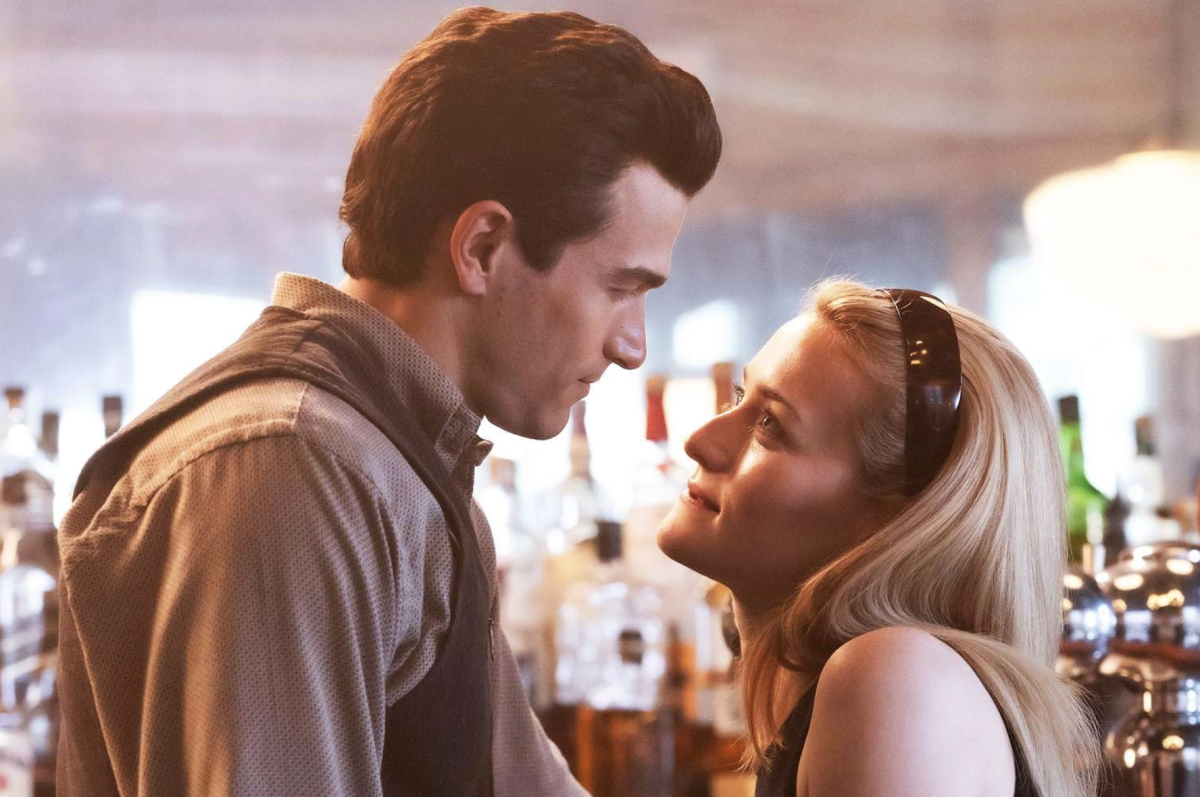

John F. Kennedy Jr. (Paul Anthony Kelly) and Carolyn Bessette Kennedy (Sarah Pidgeon) have long been remembered as a destined, doomed and endlessly idealized couple. The Kennedys are American royalty, and John and Carolyn were the it couple of their era. “Love Story” knows this and leans into this narrative to create a dramatized show of their famed love story. But, while the show is gripping, it is hard to ignore the question underneath: Should the series exist at all?
One of the show’s greatest assets is Sarah Pidgeon, whose performance as Carolyn is extraordinary and particularly impressive given how little footage of the real Carolyn Bessette Kennedy actually exists. With so few reference points, Pidgeon constructed a portrayal from photographs, secondhand accounts and the show’s source material, Elizabeth Beller’s biography of Bessette Kennedy. Pidgeon’s eyes are expressive, doing extensive work, and her scenes navigating the paparazzi convey a deep, specific discomfort that’s central to her character. The one caveat is that Pidgeon’s commitment to Carolyn’s nonchalance and cool girl persona occasionally work against her, especially in the early episodes, where she sometimes murmurs the dialogue, making some of her lines difficult to understand. Episode 7, “Obsession,” is where she truly shines, however, playing Carolyn’s breakdown over the paparazzi and pregnancy rumors with an incredible emotional rawness.
A key strength of the show is its opening right before the plane crash — when Carolyn is getting her nails done, visibly uncomfortable and diminished — before immediately pulling us back to the woman she once was: confident and magnetic. We see how the marriage essentially erased Carolyn’s career, identity and sense of self as she became absorbed into her husband’s story.
Moving to the supporting cast, the dynamic between Carolyn and Caroline Kennedy (Grace Gummer), Carolyn’s sister-in-law, generates tension without reducing either woman. What makes the plotline so strong is that the show refuses to let either of them be right, portraying them as two women who care about the same person and struggle to coexist. Caroline is determined to protect the family’s world, whereas Carolyn is still figuring out how to exist within it. Jackie Kennedy Onassis (Naomi Watts), Carolyn’s mother-in-law, is similarly well written; the show makes you feel for her losses and history while also feeling a certain frustration at her judgment toward her son’s relationships. It works to keep her multidimensional, making her neither a saint nor villain. On the other hand, Daryl Hannah (Dree Hemingway), John’s ex-girlfriend, is essentially reduced to a caricature of a drug addict. The performance is so flat, and its implied judgment about the real Hannah feels both unfair and a stark contrast for a show that is otherwise so focused on its characters’ complexity.
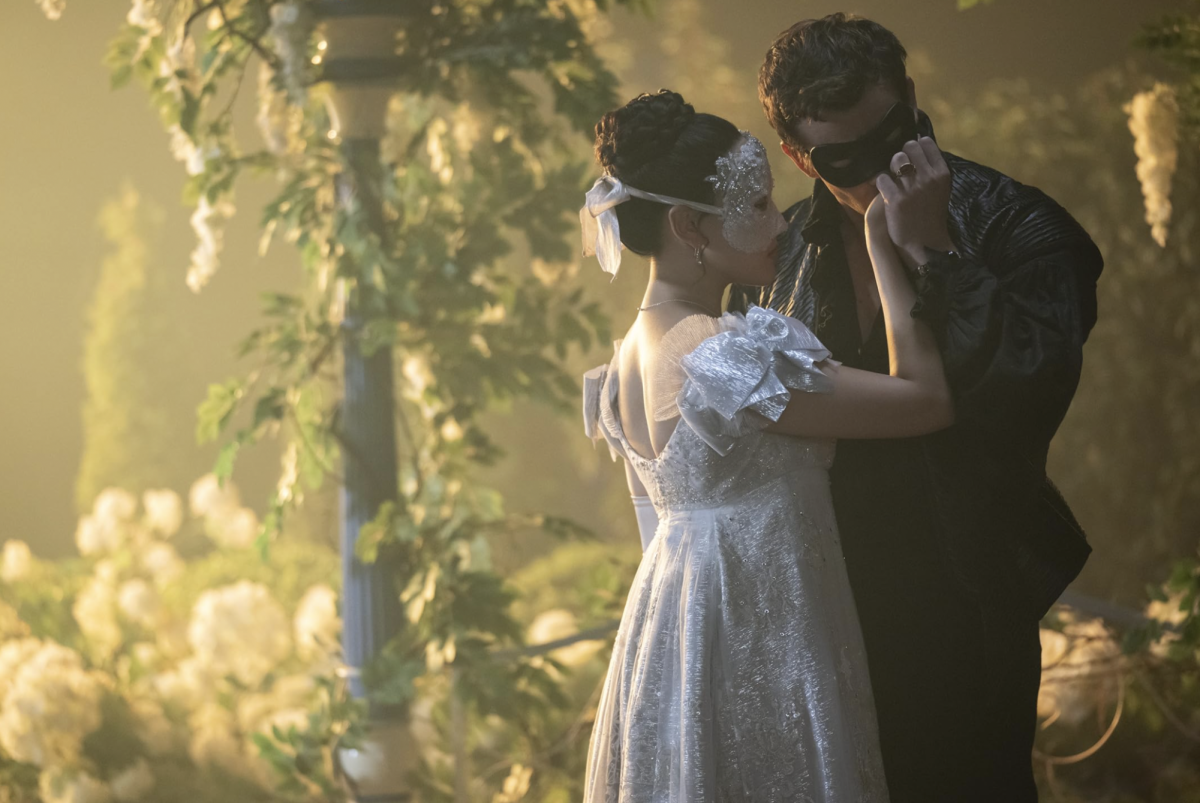
Where the show has photographic reference points, its recreations are immaculate. The recreation of the famous Battery Park fight mirrors the expressions, framing and angles of the original photographs with careful precision. Kelly’s delivery during the “George” magazine launch announcement speech is almost identical to real footage, the kind of scene that makes you reach for the original clip to compare. The wedding episode is equally strong. The first dance scene feels like John and Carolyn exist in a separate universe, floating just above everyone else in the room, as if to say it is the first and last time they exist in the marriage as only the two of them. Forever after that, they are under a constant microscope.
The show captures how relentlessly aggressive the paparazzi were toward Carolyn in particular, almost drawing a parallel to Princess Diana. This is made explicit when John and Carolyn learn of Diana’s death; the news is already debating which outlet will auction the photos for the most money. Here, the show makes its thesis that what destroyed Carolyn was not simply her relationship with John, but the world that came with it.
Still, “Love Story” is not without its flaws. It is hard to shake the feeling that the show would not exist if the couple had not died. Their tragically young deaths are what many people first think of when their names are mentioned, and that is what the show capitalizes on. Starting with their deaths and working backward is emotionally effective but feels particularly exploitative, like it is profiting off grief. This is shown in the way the show reconstructs moments it could never actually know: therapy sessions, private arguments and internal grief. The line between dramatization and speculation is obviously blurred — after all, it never claims to be a documentary — but still feels uncomfortable. Building on this discomfort is the show’s choice to continue past their deaths entirely, to linger on the grief of Caroline Kennedy and Carolyn’s family in the aftermath. The show frames itself as a love story, but, here, it stops being about John and Carolyn and starts exploiting the devastation of others hurt in the process.
“Love Story,” for what it is, is well made. But, it is also a reminder that telling real people’s stories is dangerous, and beauty is not the same as truth.